


The journey of studying abroad often begins with immense pride, tears of joy, and community celebration.
When an non-European student receives an admission letter and secures a student visa from a European university, prayer groups assemble, family feeds overflow with glowing congratulatory messages, and hopes run high. The expectation back home is clear and unwavering: you are leaving to secure a prestigious degree, gain financial stability, and elevate your family’s standing.
Yet, behind the polished social media posts lies a starkly different experience that few discuss openly.
Upon arrival, thousands of international students encounter systemic, structural, and cultural barriers that quickly transform their academic dream into a daily test of endurance:
- The Language Trap: While many Master’s programs across Continental Europe are taught entirely in English, the local professional job market demands native or professional-level fluency. Without it, white-collar corporate positions, internships, and entry-level roles remain virtually inaccessible.
- The Visa & Sponsorship Barrier: Graduating with an advanced degree does not guarantee a pathway to local employment. Complex immigration frameworks, high salary thresholds, and sponsorship costs make employers hesitant to hire non-EU graduates.
- The Warehouse Shift: To meet high tuition costs, monthly rent, and daily living expenses, many students holding advanced qualifications take up grueling shifts in logistics warehouses, cleaning services, or delivery hubs. The reality of studying for a Master’s degree by day and packing boxes or sorting packages by night becomes a quiet norm.

The Pressure to Stay
The physical hardship of long working hours is often compounded by heavy psychological pressure:
- The Weight of Community Expectations: Returning home empty-handed feels like an impossibility. The fear of being perceived as a failure by the very people who celebrated your departure keeps many in a state of prolonged uncertainty.
- The Dilemma of Returning: Going back home after years abroad without tangible financial returns or a corporate title is difficult to explain to a community that invested its pride and hopes in your success.
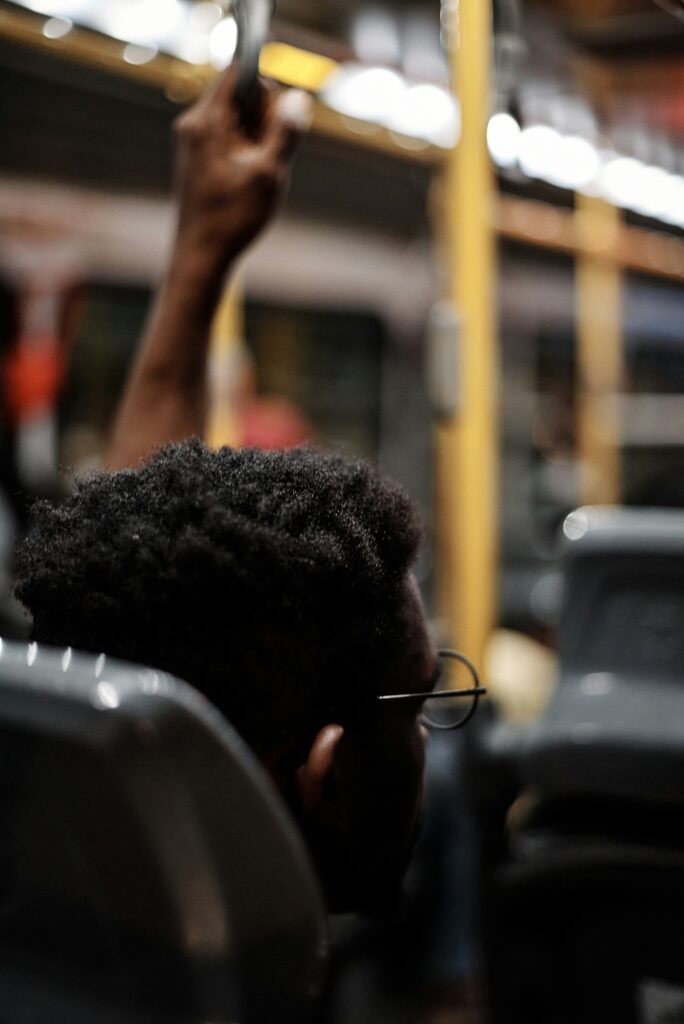
Beyond the congratulatory posts and airport farewells lies a hard truth: studying in Europe is often a test of survival long before it becomes a story of success. The Master’s degree earned on paper is frequently paid for with night shifts, quiet sacrifices, and the psychological burden of living up to expectations back home.
For the thousands navigating this gap, the hustle in the warehouse is not a mark of failure—it is proof of resilience. It is time to replace the silence around this journey with honest conversations. The true measure of success isn’t just arriving in Europe; it is surviving the system once you get there.